

Take the Right Steps to Survive in the Wild: A Guide to Wilderness First Aid

In the wild, preparedness is key.
Knowing how to identify, treat, and respond to common injuries and illnesses is essential if you plan on spending any amount of time in the wilderness. This article will provide you with a comprehensive guide to wilderness first aid, covering topics such as identifying and treating common injuries, staying healthy in the wild, responding to emergencies, and the benefits of taking a wilderness first aid course.
With the knowledge and skills gained from this guide, you’ll be prepared to safely and confidently explore your favourite outdoor destinations.
Wilderness first aid is essential for any outdoor enthusiast who plans on spending time in the wild. Knowing how to identify and treat common injuries can be the difference between life and death in a survival situation.
The most common injuries in the wilderness involve lacerations, sprains, strains, fractures, and bites from animals or insects. Lacerations, or cuts, should be cleaned and treated with antiseptic and covered to prevent infection. Sprains and strains should be immobilised and treated with ice and elevation. Fractures should be immobilised and medical help sought as soon as possible. Animal bites should be washed with soap and water and medical attention should be sought.
In addition to treating the injury, it is important to know how to recognise and prevent common injuries in the wild. Wearing protective gear and properly maintaining equipment can help reduce the risk of injury. Also, be mindful of the environment and watch out for potential hazards, such as slippery surfaces, sharp objects and dangerous animals.
By following these tips and knowing how to identify and treat common injuries, outdoor enthusiasts can be prepared for any situation in the wild. Being prepared is the key to surviving an emergency in the wilderness.
Staying healthy in the wild is a crucial part of wilderness first aid. To be prepared for any situation, it is important to take the right precautions to stay safe and healthy in the wild.
Firstly, it is important to stay hydrated. Always bring plenty of water with you and take frequent breaks to stay hydrated. It is also a good idea to drink water from sources in the wild if you are sure that it is safe.
It is also important to make sure you have enough food. Pack enough food to get you through the day, and try to eat a balanced diet of healthy foods like fruits, vegetables, and nuts.
When it comes to sleeping, it is important to find a dry, sheltered spot. Bring a tent if you can to help provide shelter from the elements.
Finally, it is important to watch for signs of illness. If you start to feel unwell, take steps to get medical attention as soon as possible.
By following these steps, you can stay healthy in the wild and be better prepared to handle any unexpected wilderness first aid scenarios.
In the event of an emergency while in the wild, it is important to take the right steps to ensure survival. One of the most important steps is to remain calm and assess the situation. It is important to identify the type of emergency and determine the best course of action. If someone is injured, first aid should be administered as soon as possible. If the injury is a medical emergency, it is important to call for help and wait for professional medical attention. If there is no cell phone service, it is important to stay with the injured person and take any steps to make them more comfortable.
In the event of a natural disaster, such as a forest fire, it is important to move away from the area as quickly and safely as possible. However, if the area cannot be evacuated, it is important to find shelter and protect oneself from the elements. If the emergency is a wild animal attack, it is important to stay calm and slowly move away from the animal. If the animal continues to pursue, it is important to make noise and stand tall in order to scare it away.
By taking the right steps to respond to an emergency while in the wild, one can increase the chances of survival. It is important to assess the situation, remain calm, and take the necessary steps to ensure safety.
Wilderness first aid is an essential skill for anyone who may find themselves in an emergency situation in the outdoors. Australia Wide First Aid offers a range of wilderness first aid courses to help people gain the knowledge and skills they need to survive in the wild. The HLTAID011 Provide First Aid course is the most comprehensive course available, teaching participants the necessary skills to respond to a variety of medical emergencies.
The benefits of taking a wilderness first aid course include being prepared to respond to injuries and medical emergencies in remote locations. Participants will learn how to assess an injury and provide appropriate first aid, such as splinting a broken bone or stopping bleeding. They will also learn how to improvise and use what is available in the environment, such as using a stick to immobilise a limb.
Wilderness first aid courses also provide participants with the knowledge and skills to assess a situation and take the right steps to ensure their safety. These include how to make a shelter, find food and water, and signal for help.
By taking a wilderness first aid course, participants can be confident that they have the necessary knowledge and skills to survive in the wild. Australia Wide First Aid offers a range of courses for all skill levels, so anyone can learn the basics of wilderness first aid.
February 7, 2023
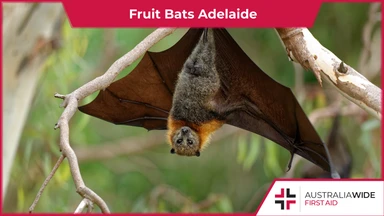
A relatively new addition to the forest ecosystems of Adelaide, the Grey-headed flying-fox (also known as the fruit bat), is the largest bat species in Australia. They can transmit several deadly diseases, including the Australian bat lyssavirus (ABLV).
November 8, 2022
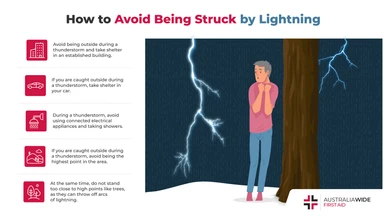
Though being struck by lightning might seem far-fetched, over one hundred people in Australia are injured by lightning strikes every year. Injuries can include cardiac arrest, neurological damage, and skin burns. Luckily, there are ways to reduce your risk of being struck by lightning.
July 26, 2022
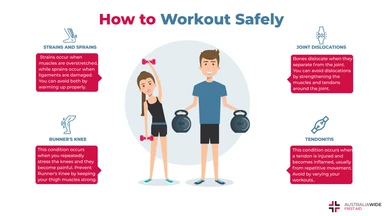
Regular exercise is important to our overall wellbeing. However, exercise injuries can occur when people use incorrect technique, or overload their body too much. It is important to know how to avoid these injuries, as they can lead to long-term complications