

CPR for Cats: A Comprehensive Guide

Cardiopulmonary Resuscitation (CPR) is a life-saving technique that can make a critical difference to the well-being of your feline friend.
In this comprehensive guide, we will explore the world of CPR for cats, delving into when it might be necessary, what signs to look for, how to perform CPR effectively, and the crucial importance of seeking immediate veterinary help.
CPR, short for Cardiopulmonary Resuscitation, is a set of emergency procedures designed to revive an animal that is in distress.
For cats, CPR involves a combination of chest compressions and artificial respiration, aimed at maintaining oxygen flow to vital organs, particularly the brain and heart.
It's a skill every cat owner should be familiar with, as it can be a matter of life and death.
Understanding when CPR might be necessary for your cat is crucial.
It's a response to specific life-threatening situations, such as cardiac arrest, respiratory failure, choking, or severe injuries.
Recognizing the signs that signal these emergencies is the first step towards performing CPR effectively.

Four key signs indicate that your cat may require CPR:
Performing CPR on a cat can be a daunting task, but with proper guidance, it becomes manageable.
Here's a step-by-step guide:
CPR for cats is an interim measure, not a substitute for professional veterinary care.
Even if your cat appears to recover during CPR, immediate professional help is essential.
Veterinary expertise is required to diagnose and address underlying issues.
If your cat remains unconscious, has severe injuries, or ingested something toxic, don't hesitate to call or visit an emergency vet.
Being prepared to perform CPR on a cat is an invaluable skill for any pet owner.
While it can buy critical time in emergency situations, it is not a replacement for professional veterinary care.
Remember, a quick response can make all the difference in saving your feline companion's life when they need it most.
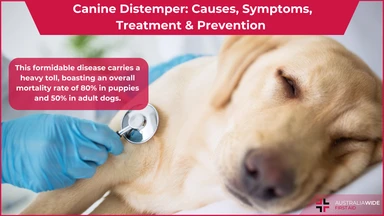
November 8, 2023
Read this guide for everything you need to know about canine distemper, including causes, symptoms, treatment options, and vaccination schedule.

October 20, 2023
Discover the best recovery foods for dogs to help them get better faster after being sick, injured, or having surgery.
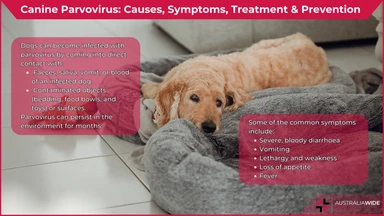
October 11, 2023
In the tapestry of canine well-being, a subtle but potentially devastating threat looms known as canine parvovirus. Despite a vaccine being a shield against this menace, the lack of awareness among pet owners often leaves dogs vulnerable. The scariest part is parvo can live in the environment for up to a year, so even a quick trip to the vet or pet store could expose your dog. Is your dog safe from this invisible threat?